.png)
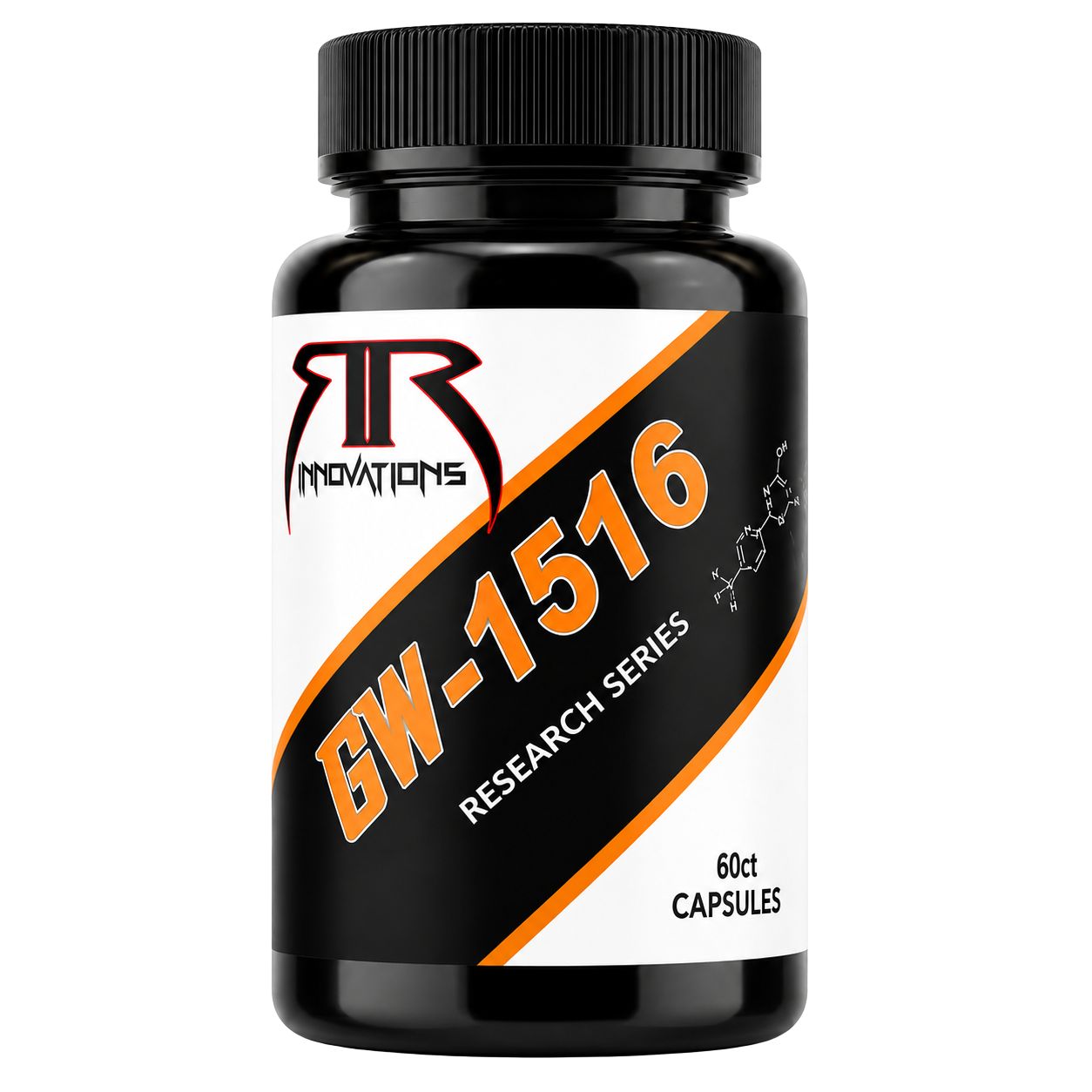
GW-1516 Capsules
$69.99
In stockGW-1516, also known as GW501516 or Cardarine, is an investigational small molecule that activates PPAR-delta, a receptor involved in regulating genes associated with energy metabolism and fatty-acid utilization. Its research has focused on lipid metabolism and exercise-related adaptations.
| SKU | RC-RR-GW1516-60CT |
|---|---|
| Manufacturer | R+R Innovations |
| Form | Capsule |
| Strength | 15 mg |
| Size | 60 ct |
| Reported Result | Supplier spec pending verification |
| Stock | In stock |
| Documentation Status | Pending Final COA |
Product Description
GW-1516, also known as GW501516 or Cardarine, is an investigational small molecule that activates PPAR-delta, a receptor involved in regulating genes associated with energy metabolism and fatty-acid utilization. Its research has focused on lipid metabolism and exercise-related adaptations. It acts through a different pathway from androgen-receptor compounds commonly classified as SARMs.
By activating PPAR-delta, GW-1516 influences how cells process fats and use energy. Laboratory and animal studies have identified changes in skeletal-muscle pathways involved in fatty-acid oxidation—the breakdown of fats for fuel. These effects do not, by themselves, demonstrate weight loss or improved athletic performance in people.
What research has shown:
Changes in cholesterol and triglycerides: A 12-week randomized, placebo-controlled study involving 268 people with low HDL cholesterol reported increased HDL cholesterol and reductions in LDL cholesterol, triglycerides, and apolipoprotein B. These changes in blood markers do not establish a reduction in heart attacks or other cardiovascular events.
Altered muscle energy metabolism: Animal studies found increased activity in pathways associated with fatty-acid utilization and oxidative metabolism.
Endurance findings in mice: Research reported improved running endurance when GW-1516 was combined with exercise training. In that study, treatment alone did not improve endurance in sedentary mice. These results do not establish equivalent performance benefits in humans.
Significant safety findings limit its clinical development. Development was stopped after long-term animal studies identified serious toxicities, including cancers. The extent of cancer risk in humans is unknown, and short-term human studies cannot establish long-term safety.
Storage and handling: Keep sealed, dry, and protected from heat and direct light unless the final product label or COA states otherwise. Maintain the product with its matching batch record.
Third-party testing status.
| Batch / Lot | Reported Result | Tested | Partner | Status | Document |
|---|---|---|---|---|---|
| N/A | >99.80%+0.18% | Jun 29, 2026 | Vanguard Laboratory | Complete | View COA |