.png)
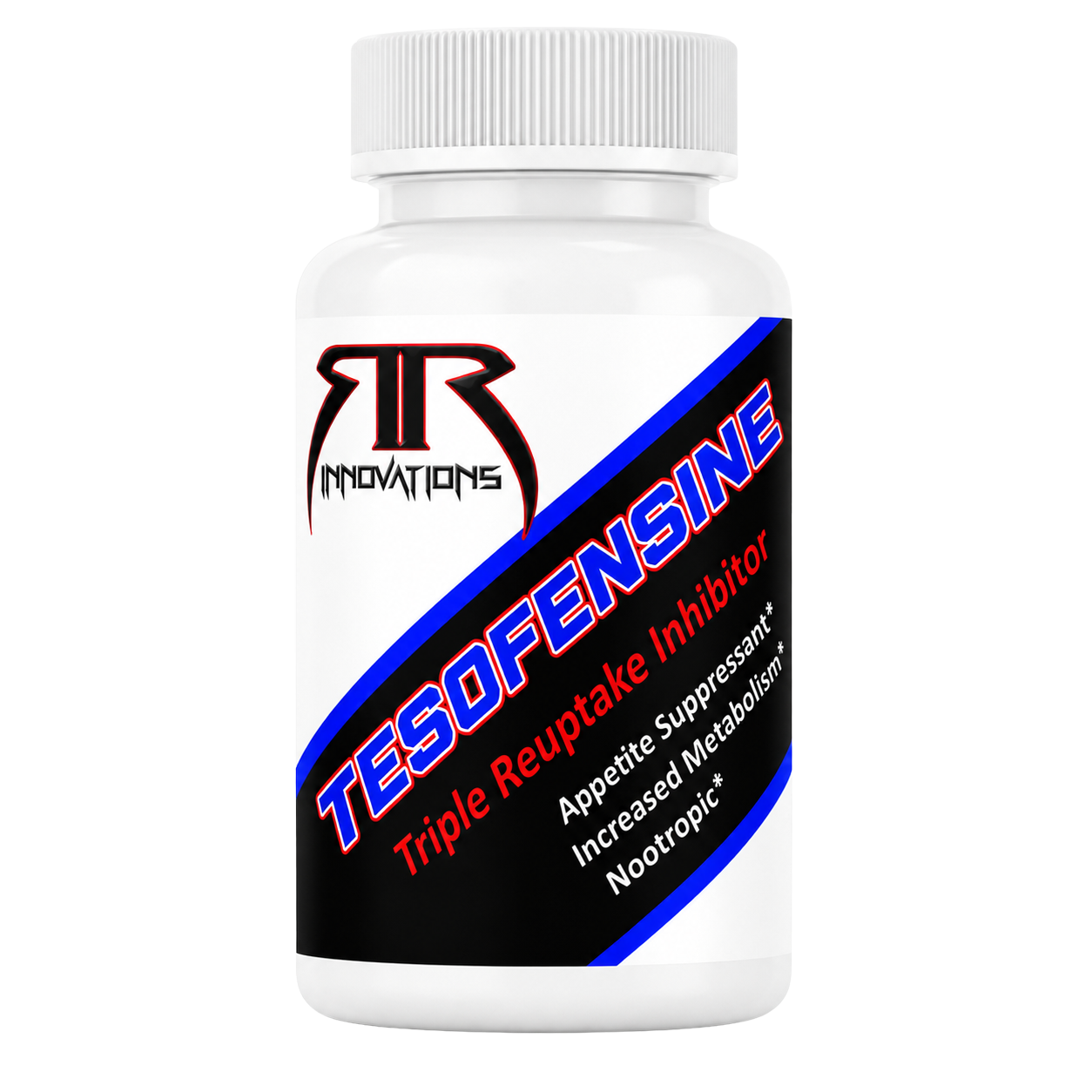
Tesofensine
$99.99
In stockTesofensine is an investigational, orally active small molecule studied for weight management. It inhibits the reuptake of norepinephrine, dopamine, and serotonin, increasing signaling through neurotransmitter pathways involved in appetite and food intake. It is a different compound from tesamorelin and is not a peptide.
| SKU | RC-RR-TESO-60CT |
|---|---|
| Manufacturer | R+R Innovations |
| Form | Capsule |
| Strength | 500 mcg |
| Size | 60 ct |
| Reported Result | Supplier spec pending verification |
| Stock | In stock |
| Documentation Status | Pending Final COA |
Product Description
Tesofensine is an investigational, orally active small molecule studied for weight management. It inhibits the reuptake of norepinephrine, dopamine, and serotonin, increasing signaling through neurotransmitter pathways involved in appetite and food intake. It is a different compound from tesamorelin and is not a peptide.
Research has focused on whether its effects on appetite can produce sustained weight reduction, alongside possible changes in energy metabolism.
What research has shown:
Weight reduction in adults with obesity: Results posted for a 372-participant phase III trial reported average weight reductions of 5.3 kg and 8.6 kg in the two tesofensine groups, compared with 1.9 kg with placebo, after 24 weeks. These registry-reported averages do not guarantee individual results.
Increased feelings of fullness: A small randomized study in overweight or moderately obese men found higher ratings of satiety and fullness, alongside lower anticipated food intake, compared with placebo.
Effects on fat utilization: The same short-term study reported increased fat oxidation and a small increase in nighttime energy expenditure. However, total 24-hour energy expenditure did not significantly increase, so describing tesofensine as a proven all-day “metabolism booster” would overstate the findings.
Potential benefits must be considered alongside cardiovascular and tolerability concerns. Reported adverse effects include dry mouth, nausea, constipation, diarrhea, and insomnia. A phase II trial reported an average heart-rate increase of approximately 7.4 beats per minute in one treatment group. That publication subsequently received an expression of concern, with related correspondence addressing adverse-effect reporting—an important limitation when interpreting its safety conclusions.
Storage and handling: Store capsules in the original, tightly closed container as specified by the manufacturer, protected from excess heat, light, and moisture.
Third-party testing status.
| Batch / Lot | Reported Result | Tested | Partner | Status | Document |
|---|---|---|---|---|---|
| 2025-11-13 | 98.97% | Dec 10, 2025 | MZ Biolabs | Complete | View COA |